Why Is My Rheem Water Heater Leaking From the Bottom in Dover?
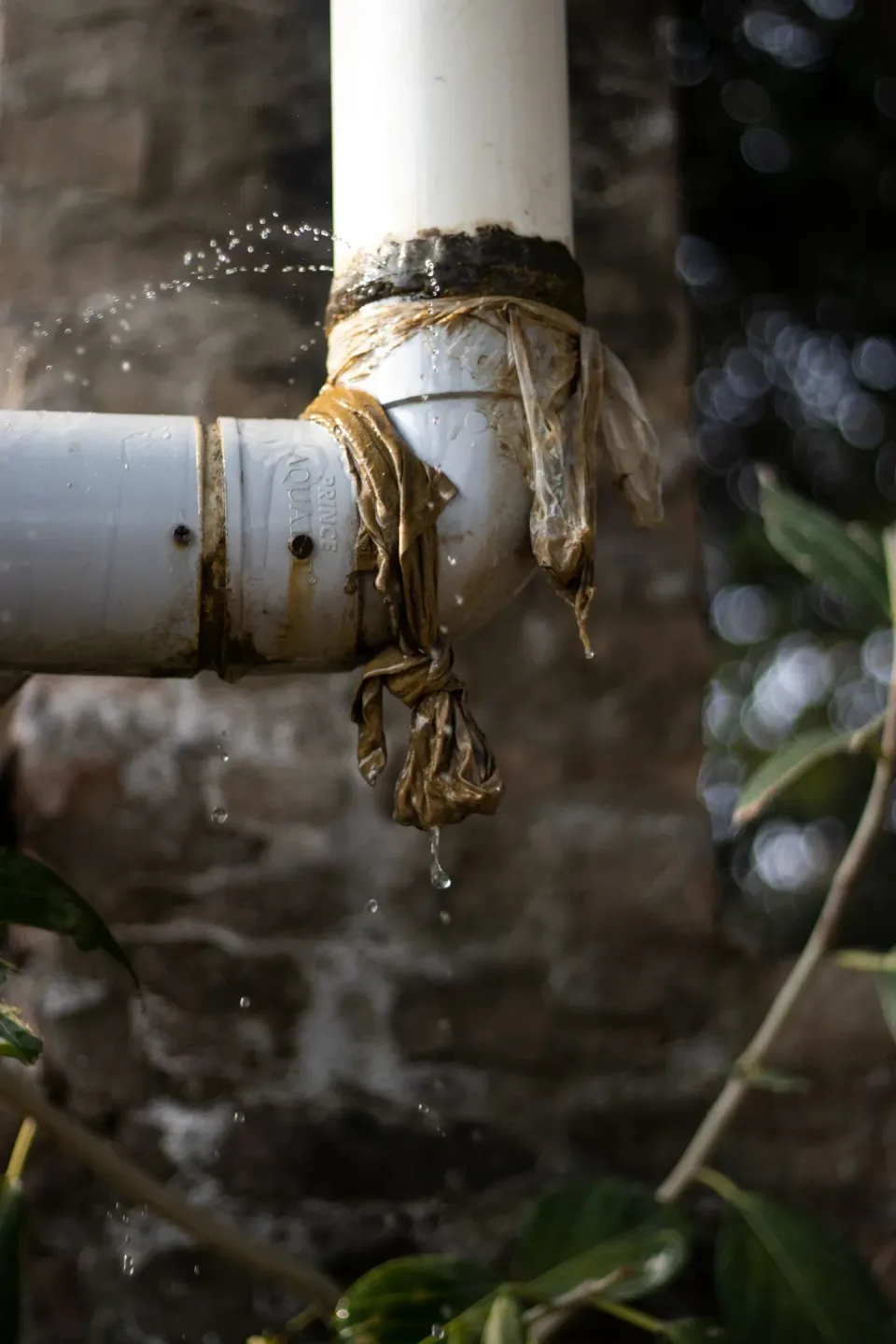
A Rheem heater dripping from the base usually comes down to three sources: a loose drain valve, the temperature and pressure relief line, or the steel tank itself rusting through. Only the first two are repairable a weeping tank means replacement. Storage heaters commonly hold 40 or 50 gallons, so even a slow drip can soak a basement floor overnight.
We handle water heater repair in Dover homes from The Green out to Route 13, and when a tankless unit or a failing tank needs swapping, tankless water heater installation is quoted on the spot. For water pouring instead of dripping, emergency plumbing repair is the right call shut the cold inlet valve off first, then phone us at (555) 010-0000.
What Actually Causes a Bottom Leak on a Rheem Tank?
We get the same call every few weeks from homeowners near Silver Lake and along South State Street: there’s water pooling under the Rheem, and nobody knows if it’s a quick fix or a new heater. Here’s how we sort it out on the first visit.
Three culprits, in order of how often we see them. The plastic drain valve near the base can crack or work loose from sediment scraping past it a handyman part, not a heater problem.
The temperature and pressure relief valve can weep down its discharge tube and look like a bottom leak when it’s really a pressure issue. And finally, the glass-lined steel tank itself corrodes through, usually after the sacrificial anode rod is spent.
Once water seeps from the tank seam itself, no sealant or clamp stops it. That’s the leak we tell people to plan a replacement around, not a repair.
Can You Fix It Yourself, or Should You Call a Pro?
Yes, some of this is DIY-safe with the water off. If you can reach the drain valve and it drips only when opened or from the threads, a hose cap or valve swap is a reasonable weekend job. What we don’t recommend: opening the burner compartment, touching gas connections, or chasing a leak you can’t positively trace to a valve.
Delaware law requires plumbing work to be done under a licensed Delaware plumbing contractor, and water heater installation code requirements in Delaware cover venting, relief valve discharge, and pan drainage details that fail inspection when skipped. Clear access to the water heater and its shutoff valves is the first thing we ask for, because diagnosing a drip with laundry stacked around the unit wastes half the visit.
How Long Should a Rheem Water Heater Last in Dover?
Storage tank heaters typically give you 8–12 years; tankless units run 15–20 when maintained. Dover’s humid subtropical climate with four distinct seasons matters more than people think cold winter nights can freeze exposed plumbing in garages and crawlspace-adjacent utility areas, and freeze-thaw cycles stress the fittings around the tank.
An annual flush plus anode rod checks push most tanks toward the top of that range. When we compare tank versus tankless water heater options for a homeowner, lifespan, recovery rate, and fuel type drive the math more than the sticker price.
Edwin Ruud pioneered the automatic storage water heater more than a century ago, and the basic failure mode hasn’t changed: steel plus water plus time.
What Does Replacement Involve Day-of?
A straightforward swap takes several hours. We verify gas, electrical, venting, and drain connections before ordering the unit, confirm tank dimensions and clearances against the old footprint, and protect floors along the removal route older Dover colonials often have tight basement stairs.
Water heater haul-away is part of our replacement visits, so the dead tank leaves with us. Rheem and comparable international brand water heater support documents make warranty registration easy, but the install itself has to meet local code to keep that warranty valid.
Our full water heater lifespan maintenance guide covers flush intervals and anode checks for the new unit.
You can read more on our Water Heater Replacement page or check our About page for licensing details.
Repair, Replace, or Detect: Which Path Fits Your Leak?
The right move depends on where the water is coming from and what’s behind the wall. A valve drip at the base is a parts-and-labor fix; a tank seam weep is a replacement; moisture with no visible source needs detection gear before anyone opens drywall. Here’s how the common options compare:
| Option | Best for | Key detail |
|---|---|---|
| Conventional tank water heater | Straightforward swaps, 40–80 gallon household demand | Common ¾-inch water connections; gas units need venting, electric units need adequate circuit capacity |
| Visible plumbing leak detection | Drips you can see at valves or fittings | Confirms the source without guesswork or unnecessary wall removal |
|---|---|---|
| Concealed pipe leak detection | Wet spots, warm floors, unexplained bills | Acoustic and thermal methods locate leaks with minimal opening of finished surfaces |
| Expansion tank assessment | Homes with high pressure or closed systems | We evaluate whether thermal expansion is stressing the heater and relief valve |
Every replacement ends with post-installation leak and operation testing pressure up, burner or elements checked, relief valve verified. Most homes run ½-inch supply piping, which we confirm before touching fittings.
How Do You Prepare for a Water Heater Visit in Dover?
A homeowner near Dover High School called us last month with a dripping Rheem and a finished basement the tank sat in a corner behind storage boxes. Twenty minutes of clearing saved an hour on the job. Whether it’s a repair or full water heater installation, here’s the prep that makes the visit fast:
-
Confirm fuel and connections: Note the fuel type, venting, and electrical supply before anyone orders a replacement unit.
-
Measure the route: Check doorways and the path to the installation location so a 40 or 50 gallon tank doesn’t get stuck on landing day.
-
Clear the work area: Give access around the heater and any suspected leak area, including the shutoff valve.
-
Find the main shutoff: Locate it before leak testing begins if the tank lets go, seconds matter.
-
Photograph connections: Snap the gas line, wiring, and plumbing before disassembly so reconnection matches.
-
Ask about the permit: Delaware plumbing permit requirements for water heater work apply in Dover, and we pull the paperwork as part of the job.
-
Plan maintenance: Ask which water heater maintenance options annual flush, anode inspection fit the new or repaired unit.
If you’re unsure what size fits your household, our water heater size guide for household use starts with head count and simultaneous showers, not just tank gallons. A local water heater plumber who knows Dover’s permit office saves you a return trip.
Ready to Stop the Drip Before It Floods the Floor?
A bottom leak on a Rheem is a clock, not a curiosity once the tank itself weeps, replacement is the only honest answer, and most storage heaters are due between 8–12 years anyway. Old water heater removal comes with our replacement visits, and if you want premium or high-efficiency water heater options, we’ll price them next to a standard tank so the choice is yours.
Size matters too: a water heater sized to your household avoids the hot-water-runs-out complaint that follows undersized installs. Before anyone arrives, clear access around the heater and the suspected leak area it speeds every diagnosis.
If the leak turns out to be in the piping rather than the tank, our water leak repair service handles that too. Call (555) 010-0000 or book through E2E-small-city-plain-ai and we’ll tell you within one visit whether it’s a valve, a valve-and-rod job, or a new tank.